
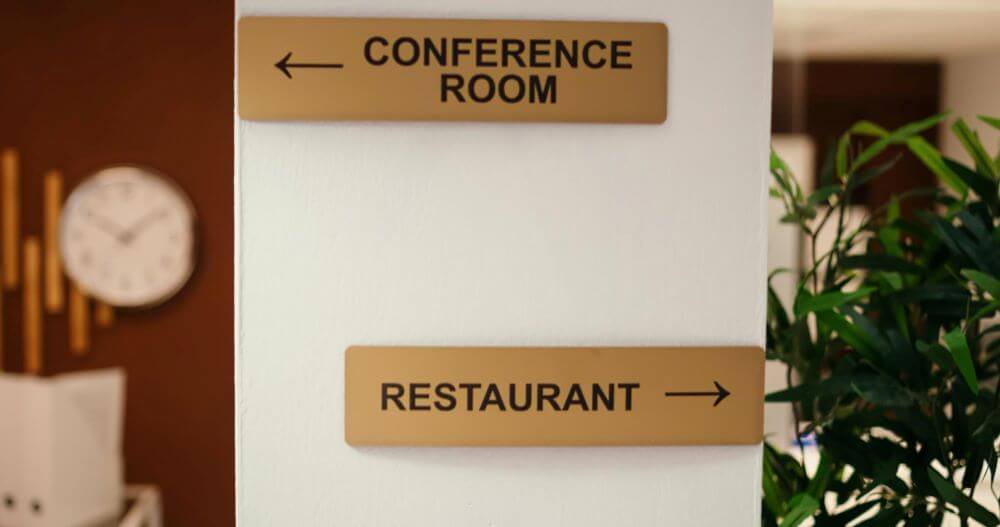


Modern offices rely on visual structure to express professionalism and purpose. Signage frames play a quiet yet influential role in shaping how spaces communicate authority, clarity, and order. Thoughtful frame selection supports brand values while enhancing spatial harmony.
Corporate environments demand visual elements that feel refined and intentional. Signage frames contribute to this expectation through material choice, finish, and form. Each frame becomes part of a larger visual language that reflects confidence and operational excellence.
Framed Signage as a Visual Anchor in Corporate Spaces
The sign frames serve as visual anchors that guide attention and movement. Clean lines and balanced proportions help information stand out without overwhelming interiors. Corporate offices benefit from frames that complement architectural features.
Well-selected frames establish consistency across departments and floors. This uniformity supports wayfinding and reinforces organizational structure. Visual order fosters comfort and trust among employees and visitors.
Metal Signage Frames for Sleek Corporate Appeal
Metal frames remain a popular choice for contemporary offices. Aluminum and stainless steel finishes project precision and durability. These materials align with corporate values centered on innovation and reliability.
Neutral tones such as silver, brushed steel, and matte black integrate easily with office interiors. Metal frames resist wear and maintain appearance over time. This durability supports long-term visual consistency.
Key Advantages of Metal Signage Frames
- Strong structural integrity for high traffic environments.
- Clean finishes that support modern corporate aesthetics.
- Low-maintenance surfaces that retain a professional appearance.
These qualities make metal frames suitable for reception areas and corridors. Visual strength pairs with functional resilience.
Acrylic Signage Frames for Modern Office Interiors
Acrylic frames introduce clarity and sophistication into corporate spaces. Transparent and frosted finishes create a light visual presence. Offices that seek a contemporary tone benefit from this subtle elegance.
Acrylic supports versatility in design applications. Frames adapt well to wall-mounted signs and desk displays. Visual openness enhances spatial flow and brightness.
Acrylic Frame Features That Support Professional Settings
- Smooth surfaces that highlight printed content.
- Flexible thickness options for varied signage needs.
- Clean edges that contribute to a refined presentation.
These features allow acrylic frames to blend with diverse interior styles. Modern offices gain visual polish without excess ornamentation.
Wooden Signage Frames for Executive and Boardroom Areas
Wooden frames introduce warmth into corporate environments. Natural textures soften formal spaces while maintaining authority. Executive offices and meeting rooms benefit from this balance.
Finishes such as walnut, oak, and maple convey stability and tradition. Wood frames pair well with classic furnishings and neutral palettes. Professional settings gain depth and character through thoughtful use of wood.
Modular Signage Frames for Dynamic Office Layouts
Corporate environments change with organizational growth. Modular signage frames support flexibility through interchangeable components. So, offices can adapt signage without full replacement.
These systems allow updates to names, departments, and directions with ease. Visual consistency remains intact during changes. Modular frames support efficiency and cost awareness.
Glass Enclosed Signage Frames for Premium Corporate Spaces
Glass-enclosed sign frames elevate signage presentation. Polished surfaces reflect light and add sophistication. High-level corporate environments benefit from this premium appearance.
Tempered glass ensures safety and durability. Frames protect signage while enhancing visibility. Reception zones and executive corridors gain a refined focal point.
So, signage frames shape how modern offices express professionalism and structure. Material choice and design influence perception and usability. Corporate environments benefit from frames that balance clarity, durability, and visual harmony.