
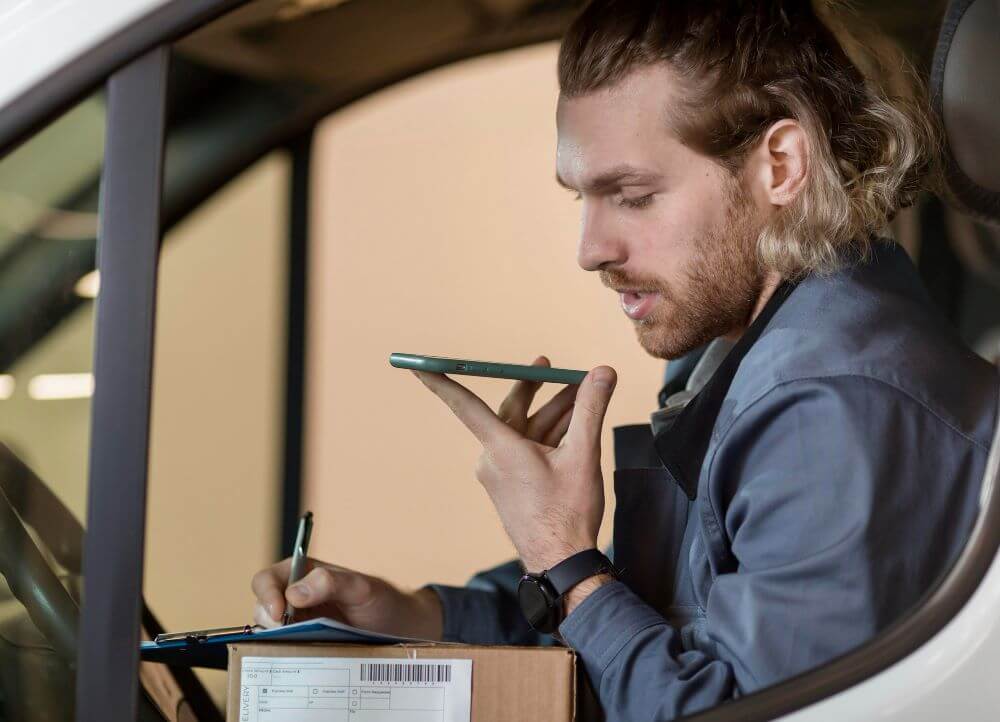


Urban car shipping services are a growing essential as residents frequently relocate, purchase vehicles, or seek transportation for various needs. While these services offer convenience, multiple challenges can pose risks to efficiency and reliability. Being aware of these common pitfalls and how to react accordingly can encourage people to be better consumers.
Traffic Congestion
Metropolitan heavy traffic continues to be a problem. The busy streets and traffic signals impede the timely delivery of goods to providers. Transport carriers have to plan their routes accordingly for car shipping in the Los Angeles area today to escape peak hours. Real-time updates of traffic guide drivers to take other routes, thereby cutting down wait times and making them more punctual.
Parking Limitations
Urban districts can be quite congested, and finding a suitable place to park for big carriers can be a challenge. The fact that there are narrow roads and restricted zones makes it even more complicated. To get past these challenges, most firms now book smaller carriers for the last-mile supply. Having designated loading zones set up in advance or in collaboration with local authorities can further streamline the process.
Local Regulations
Every city has its own type of transportation surveillance system. Local regulations may include specific delivery times and restrictions on emissions and noise. To ensure compliance and avoid fines, operators must stay informed about local laws. Compliance with these regulations is helped by extensive staff training and communication with city officials.
Safety Concerns
Areas in the urban regions have more cases of vandalism and theft. During urban warfare, valuable vehicles need extra protection from thieves. Companies can deter unlawful activities by utilizing advanced security systems such as GPS tracking and real-time monitoring. Along with this, picking locations with adequate lighting also reduces the risk of damage or loss.
Vehicle Size Restrictions
As a general rule, there are stringent restrictions on how big a car can be in most cities, particularly those with byways that date back over 100 years. Certain addresses cannot always be accessed directly by large carriers. Sometimes, restrictions for larger vehicles lead to the use of smaller trucks. All of these considerations ensure that clients receive safe and timely transportation.
Communication Barriers
The communication gap between drivers and customers can create unnecessary confusion. Transparent and timely communication about the estimated time of arrival and how delivery works will ensure that the customers have correct expectations. Companies are more at ease because automated notifications and dedicated customer support lines are available at all times. Transparency reduces dissatisfaction and increases credibility.
Weather-Related Delays
Heavy rain, snow, or sudden weather changes can significantly slow down transportation times. Bad weather conditions also increase the potential for accidents or damage. To ensure protection, businesses closely monitor climate forecasts and adjust their calendars as needed. They are shipped with a protective cover and secure tie-down for safe shipping.
Cost Management
Running in urban areas also incurs higher costs because of toll fees, permits, and fuel costs. Higher prices can threaten the affordability of services for both the provider and the customer. Route planning and the use of fuel-efficient vehicles can mitigate these costs. Transparent pricing models also enable customers to understand charges in advance of making a reservation.
Customer Expectations
Today, customers expect fast, seamless services. Failure to have a clear process in place can result in delays, dissatisfaction, and loads of negative reviews. Transporters must always keep clients happy by providing reliable information and bespoke solutions. This not only establishes long-term loyalty but also builds an emotional connection.
Environmental Impact
A significant factor affecting urban air quality is vehicle emissions. Transportation companies must consider their environmental impact and adopt sustainable technologies. Transitioning to low-emission or electric vehicles helps reduce pollution. Implementing eco-friendly practices, such as minimizing idling and optimizing routes, benefits both customers and the community.
Conclusion
To provide dependable results, urban car shipping services have to tackle a number of pressing challenges. Elements such as traffic, regulations, climate, and customer preferences influence the quality of service. In this crowded field, providers who embrace strategic planning and innovative solutions emerge on top of the list.