


Spill kits are essential safety tools used across various industries to mitigate the impact of hazardous spills, whether it’s oil, chemicals, or other potentially harmful substances. Proper spill management is crucial for protecting workers, the environment, and adhering to regulatory standards. Selecting the right spill kit can make all the difference in responding efficiently to accidents and preventing further damage. This article delves into the importance of spill kits, their types, and how to choose the best one for oil, chemical, and hazardous spills.
What Is a Spill Kit?
A spill kit is a collection of materials and tools designed to contain, clean up, and safely dispose of hazardous materials. These kits are widely used in manufacturing, chemical processing, healthcare, and various other industries where spills of oils, chemicals, or hazardous substances can occur. Typically, spill kits include absorbent materials, personal protective equipment (PPE), containment barriers, and tools to aid in the cleanup process. They are designed to address different types of spills, ranging from small leaks to large-scale accidents.
Types of Spill Kits
Spill kits come in a variety of forms depending on the type of materials they are designed to handle. Below, we explore the most common types of spill kits for different industries.
Oil Spill Kits
Oil spill kits are designed to manage spills involving petroleum-based products. These spills are common in industries such as oil and gas, shipping, and automotive. The contents of an oil spill kit usually include absorbent pads, booms, and socks that are specifically designed to absorb hydrocarbons without absorbing water. This makes them ideal for environments like marine vessels, where oil spills are a concern.
Oil spill kits may also contain additional tools such as disposal bags and gloves. In marine environments, the spill kit may come with equipment for quick deployment, helping reduce response times and minimize environmental impact.
Chemical Spill Kits
Chemical spill kits are specialized for handling spills involving hazardous chemicals, including acids, alkalis, and other toxic substances. These kits often contain absorbent materials made from specific materials, such as activated carbon, to neutralize harmful chemicals. For instance, an acid spill kit would include neutralizing agents that can safely absorb and neutralize acid spills, reducing the risk of chemical burns or contamination.
Chemical spill kits may also contain PPE, such as goggles, gloves, and protective clothing, to ensure safety during the cleanup process. In high-risk environments, such as laboratories and manufacturing facilities, having the right spill kit is critical for the health and safety of employees.
Universal Spill Kits
Universal spill kits are versatile tools designed to handle a wide range of liquids, including oils, coolants, solvents, and chemicals. These kits often contain a combination of absorbents that can effectively clean up both oil and water-based spills. Universal spill kits are ideal for general workplace use, where various types of spills may occur.
These kits may include a mix of absorbent pads, socks, and pillows, and they can be used in industries ranging from automotive to industrial manufacturing. Universal kits are especially helpful in environments where the type of spilled material is not always predictable.
Hazardous Material Spill Kits
Hazardous material spill kits are intended for spills that involve materials classified as dangerous to health or the environment. These may include toxic substances, radioactive materials, or biohazards. Hazardous material spill kits are typically larger than regular spill kits and are stocked with specialized equipment to handle the most dangerous substances.
Contents of hazardous material spill kits often include a range of absorbents, as well as protective equipment such as full-body suits, face shields, and boots. These kits are most commonly used in industrial settings where dangerous chemicals or hazardous materials are regularly handled.
Choosing the Right Spill Kit
Selecting the right spill kit for a particular application is essential for effective spill management. Factors such as the type of materials typically handled, the potential volume of a spill, and the location of the spill (e.g., indoor vs. outdoor) should be considered when choosing a spill kit. Below are some guidelines to help you make an informed choice:
- Spill Size: Determine the potential size of the spill. If your facility handles large quantities of hazardous substances, you will need a kit that can handle large spills. On the other hand, for smaller operations, a compact kit may be sufficient.
- Spill Type: Choose a kit based on the specific type of spill you are most likely to encounter. For example, an oil spill kit is not suitable for a chemical spill. A chemical spill kit may be designed to neutralize certain types of hazardous substances, while a universal kit is more versatile for a broader range of liquids.
- Location: Consider the environment where the spill may occur. For example, if your workplace is near water, an oil spill kit is essential. In a laboratory setting, a chemical spill kit with the appropriate neutralizing agents is crucial.
- Response Time: The faster you can respond to a spill, the less damage it will cause. Quick deployment of the spill kit is critical. Some kits are designed for quick and easy access, with clearly marked and easy-to-carry containers.
Spill Kit Components
While the contents of each spill kit can vary, most include several key items:
- Absorbent Pads: These are the most common material found in spill kits. They are used to soak up liquids and prevent them from spreading. Pads come in various sizes and types, depending on the type of spill.
- Socks and Booms: These items are designed to contain and divert spilled liquids. Booms are often used for larger spills and can be placed around the spill area to contain it, while socks can be used for smaller spills or to absorb the material in confined spaces.
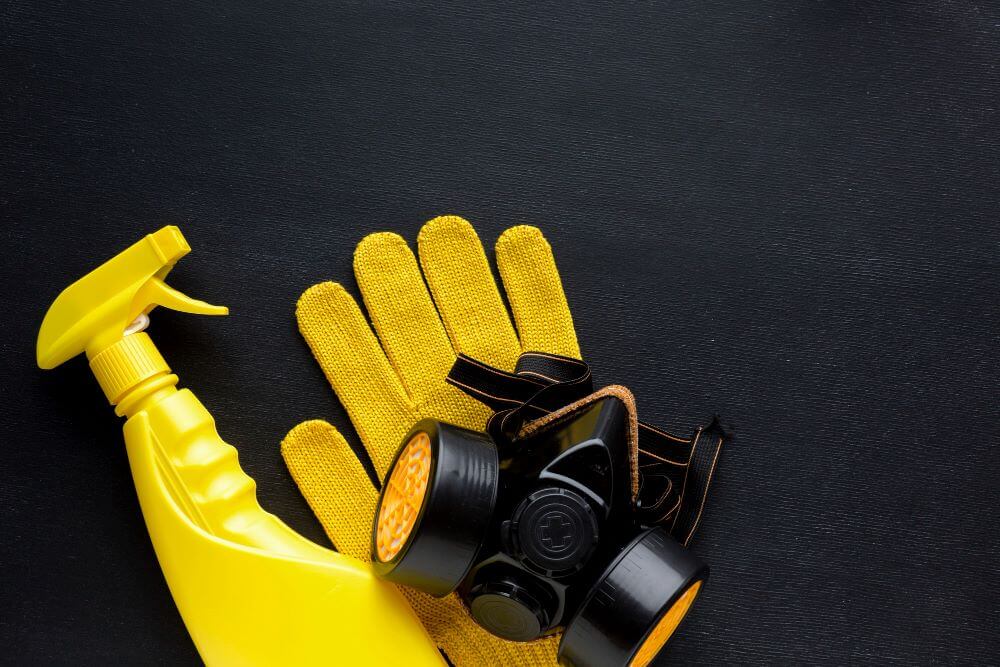
- Personal Protective Equipment (PPE): PPE such as gloves, goggles, and protective suits are necessary to ensure the safety of those responding to the spill. For chemical spills, this might include specialized suits to prevent exposure to toxic substances.
- Neutralizing Agents: In chemical spill kits, neutralizing agents are essential for safely handling and neutralizing hazardous chemicals. These agents can prevent further chemical reactions and reduce health risks.
- Disposal Bags: After the spill is cleaned up, the materials used for cleanup need to be disposed of properly. Spill kits often include disposal bags for this purpose, helping to ensure safe and compliant disposal of contaminated materials.
What We’ve Learned
Spill kits play an essential role in safety protocols across a wide range of industries. They are crucial for minimizing the impact of spills, protecting workers, and preventing environmental contamination. Whether dealing with oil, chemicals, or hazardous materials, choosing the right spill kit tailored to the specific needs of your facility can help ensure a prompt and effective response.
From oil spill kits designed to handle petroleum products in marine environments to universal kits that address a broad spectrum of potential spills, understanding the various types and components of spill kits is crucial for maintaining safety and compliance in the workplace. Additionally, ensuring that spill kits are readily available, easy to use, and properly stocked can make all the difference in minimizing the risks associated with hazardous spills.
By investing in the right spill kit for your industry, you not only comply with regulatory requirements but also protect your employees, your facility, and the environment. The importance of being prepared for an emergency spill situation cannot be overstated, and spill kits are the first line of defense in such scenarios.