
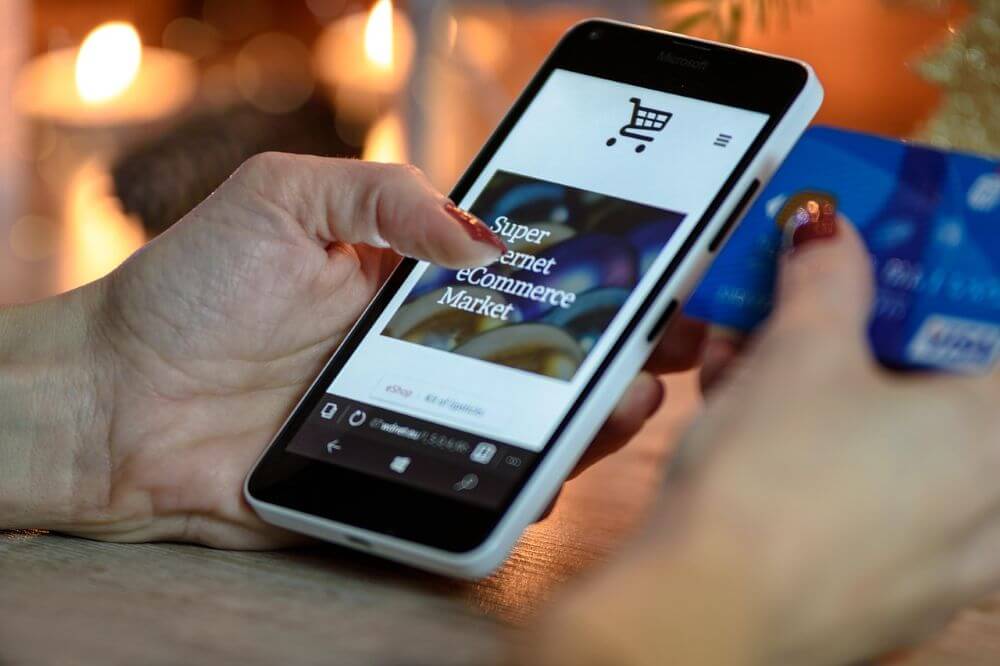


The way people pay has become inseparable from the way they live. Whether booking flights, ordering products online, or paying abroad, consumers now expect payments to be instant, flexible, and effortless. This shift is driven by a broader market trend: global mobility and digital commerce are no longer exceptions but everyday realities. As a result, traditional payment methods are being challenged by smarter, more adaptive solutions that fit seamlessly into modern lifestyles.
Consumers today value convenience as much as cost. Slow processing times, complex currency conversions, and rigid banking systems feel increasingly outdated. In response, fintech innovation is accelerating, delivering tools that simplify transactions across borders and platforms.
Smarter Payments for a Borderless Lifestyle
Travel is one of the clearest examples of why smarter payment solutions are in demand. Travelers often juggle multiple currencies, online bookings, local payments, and unexpected expenses. Digital wallets and mobile payments have already reduced friction, but innovation is going further by integrating global usability and real-time access to funds.
One emerging solution is the Crypto Card. Designed to make cryptocurrencies spendable in everyday life, Crypto Cards allow users to shop online, pay at physical points-of-sale, or even withdraw cash from ATMs. Mountain Wolf offers a Crypto Card that becomes instantly ready after verification, works with Apple Pay and Google Pay, and can be topped up in real time from any crypto wallet. This approach aligns with Web3 principles by turning digital assets into practical spending power, especially useful for travelers and international consumers who want flexibility without delays.
E-Commerce Demands Speed and Simplicity
E-commerce has set new standards for payment experiences. Consumers expect checkout processes to be fast, intuitive, and secure—no matter where the merchant or customer is located. Abandoned carts often result from unnecessary friction at the payment stage, highlighting how critical smart payment solutions have become for online businesses.
Beyond crypto or alternative payment tools, improvements in digital finance have streamlined online shopping overall. Features such as saved payment methods, instant confirmations, digital receipts, and real-time notifications enhance trust and convenience. These developments benefit all users, regardless of whether they use traditional currencies or digital assets. This broader evolution shows that smarter payments are about improving usability first, with technology quietly supporting the experience.
Innovation Bridging Digital and Real-World Spending
What makes today’s payment innovation stand out is its ability to bridge digital and physical commerce. Web3 technologies are expanding what digital wallets can do, while fintech platforms focus on making those capabilities easy to use. Crypto Cards represent this convergence: they connect blockchain-based assets with familiar payment systems, allowing consumers to move fluidly between online shopping, in-store purchases, and global travel.
Mountain Wolf’s approach illustrates how innovation can be both advanced and practical. By offering a Crypto Card that integrates smoothly into existing payment habits, it reduces the learning curve often associated with new financial technologies. This balance between innovation and usability is key to widespread adoption.
The Future of Smarter Payments
As travel and e-commerce continue to grow, consumer expectations will only rise. Payments must be global, fast, and adaptable to different lifestyles. Smarter payment solutions—powered by fintech innovation and Web3 infrastructure—are meeting these demands by offering more choice and control.
The future of payments is not about replacing existing systems overnight, but about enhancing them. From travel bookings to online checkouts, consumers are clearly signaling what they want: payments that work everywhere, instantly, and without friction. Those solutions are already shaping the next era of global commerce.