
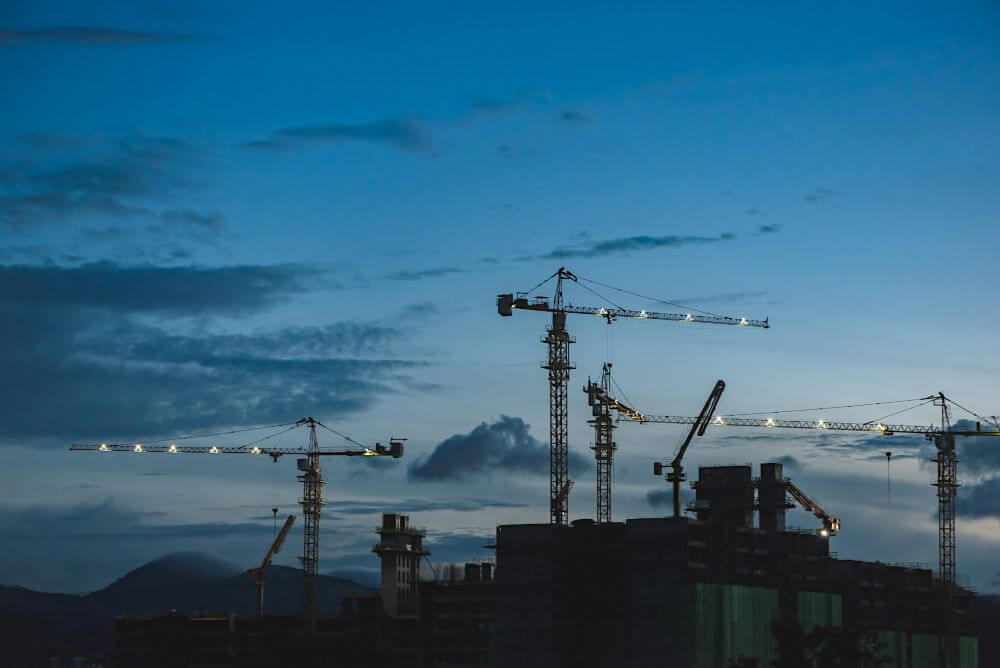


Engineering shapes everyday life in ways we often don’t notice. From buildings and transport to electricity and software, engineers use science to design the systems we depend on, whether it’s the home we live in or the train we take to work.
Simple actions like turning on a light or using running water all rely on engineering. Behind these everyday comforts are carefully planned networks and systems that most people rarely think about.
Whether you’re driving on a highway or waiting for public transport, engineers help make travel safe and efficient. Their work may not always be visible, but it keeps daily life running smoothly.
Beyond convenience, engineering also tackles big global challenges. Engineers work on clean energy, sustainable cities, and safer systems, helping build a future that is greener, stronger, and better for generations to come.
The Impact of Engineering on Daily Life
Engineering shapes the comforts most of us barely think about. Take your home, for example. The simple act of switching on the kettle or catching up on late-night TV — you can thank electrical engineers for that. They figure out how to get safe, steady electricity to every socket in your house so you don’t have to rummage for a torch when it gets dark.
Getting a glass of water is just as easy to take for granted. Civil and water engineers work behind the scenes deciding how to clean and move all that water so it’s fit for a cuppa or a shower. Then there’s the matter of staying warm in the winter and cool in summer — that’s all down to the designs of mechanical engineers, who spend their days improving heating and air-con systems.
Now, stepping outside, engineers quietly make your daily journeys possible. From perfectly timed traffic lights to smooth roads and clever roundabouts, transportation engineers are behind each one, constantly coming up with new ways to keep us all moving without too much queueing. Public transport gets special attention too; it runs well thanks to both electrical wizards and civil experts working together to keep buses, trains, and trams reliable.
Let’s not forget the buildings we work in, shop in, or simply walk past every day. Structural engineers make sure they’re steady and safe, while MEP engineers rig up the lights, heating, and plumbing that make those spaces useable. Civil minds are there connecting it all together, laying down roads and managing drains so cities actually function rather than grind to a halt at the first bit of rain.
Even up close to your front garden, geotechnical engineers inspect the ground, checking the soil and foundations so buildings and infrastructure stay standing for years to come. Their work might be hidden but you’d certainly notice if it was missing the next time a storm blew through.
Day in, day out, engineering delivers the conveniences, safety, and reliability that set the standard for modern life.
Advancements in Health and Technology
Engineers are behind some of the most exciting breakthroughs in medicine today. They’ve helped create things like nanotechnology that can pinpoint cancer cells, mind-controlled prosthetics, and gene editing for medical treatments. It’s engineers who develop new vaccines, produce stronger antibiotics, and invent scanning machines that spot even the smallest changes inside our bodies.
Thanks to their work, doctors can diagnose and treat illnesses more accurately, giving patients better chances and quicker recoveries.
Engineers are also developing powerful computer systems for healthcare, able to test out how treatments might work, especially in cancer research. These high-tech tools are already shaping new treatments and offering hope where options were limited.
Outside medical settings, engineers don’t slow down. They are constantly pushing technology forward, with game-changing innovations to help fight climate change, improve daily living, and keep us connected.
Now, as technology races ahead, engineers are taking ethics more seriously, using their creativity to solve problems in ways that genuinely benefit society. They look at everything we use and ask, ‘How can this be made better?’ This relentless curiosity is why engineers keep raising the bar for comfort, safety, and quality of life for everyone.
Sustainability and Environmental Engineering
Engineering is tackling environmental challenges head-on by weaving the ideas of conservation and efficiency into how things are planned and built. The main goal here is simple: cut harm to nature while supporting ways of working that are good for both people and the planet.
One of the biggest moves in this space is developing renewable energy. Think solar panels on roofs and wind turbines across the countryside: these cut down our need for fossil fuels, which are a big part of the climate problem. Installing energy-smart systems in homes, schools, and city buildings helps to trim down carbon emissions and use less of our natural resources too.
The structures and systems that keep things green are also shifting fast. Engineers play a big part in setting up smart cities, using new tech and clever design to run transport, manage resources, and improve daily life. Water engineers, for example, are coming up with fresh ways to purify and save water, making sure growing communities can cope without draining rivers and reservoirs dry.
It’s not just about flashy gadgets, either. Another piece of the puzzle is using better materials and finding ways to lower the carbon that’s baked into construction and manufacturing. These changes matter now, but they’ll also help people down the road.
Every breakthrough and every bit of progress in sustainable engineering means another small win for a greener, safer future. Ultimately, it’s a reminder that every engineering decision, big or small, can help shape a world worth passing on.
Innovations in Transportation
Engineering has sparked some fantastic leaps in how we get around, whether it’s by road, rail, sea, or air. On land, maglev trains are a major step up. They glide along tracks without touching them, running not just faster than ordinary trains but using less power and producing less pollution too.
The rise of self-driving electric cars is also worth noting. These vehicles could make roads much safer and cut down on traffic incidents, all while helping clean up the air. It’s a double win for anyone tired of sitting in traffic or worrying about the environment.
Air travel has made big strides as well. Modern planes are designed to be safer and more fuel-efficient, thanks to clever new engineering ideas that shave off weight and cut down on wasted energy.
Out at sea, ships are changing too. Today’s vessels often rely on solar panels and innovative materials, making them kinder to the planet and much less polluting than their predecessors.
All these inventions reflect just how vital it is to keep improving transport. With more people living in cities and the world’s population on the rise, engineers are always finding new ways to move us all more smoothly and sustainably.
And this is only the beginning. The future holds even more promise with electric and driverless vehicles becoming part of daily life. Petrol engines may soon be replaced by cleaner electric motors, and the roads might look very different with cars that don’t need a person at the wheel. It could open up brand new types of infrastructure, made just for these smarter systems.
Engineers’ hard work, tests, and teamwork are bringing these futuristic ideas into reality, working towards cities where getting around is quicker, easier, and far kinder to the planet.
Engineering’s Role in Digital Transformation
Digital change has redefined how engineers work, giving rise to more accurate, efficient, and imaginative solutions than ever before. Take CAD and CAM software, for example; these tools let engineers design, check, and build parts with breathtaking accuracy. Less room for error means quicker turnarounds and stronger results, whether you’re talking about factories or hospitals.
Robotics has also taken a massive leap forward. In places like manufacturing lines and operating theatres, robots are now doing work that used to demand whole teams, improving what’s possible and opening doors to medical advances that seemed out of reach only a decade ago.
Car building and heavy industry have changed dramatically as well. Digital technology is at the heart of this shift, with the rise of electric and self-driving vehicles putting new skills in the spotlight, like knowing your batteries and building smarter software. As electric cars become the standard, engineers are being asked to think about the bigger picture: renewable energy, materials recycling, and how to make it all work sustainably.
It’s not simply a matter of getting new gadgets into the workshop. For instance, understanding the benefits of certified workshop benches and tables can impact the overall efficiency and safety of modern engineering environments. Bringing in AI and data analysis changes how decisions are made and how companies organise themselves. Automated production lines in factories are a solid example—they make things cheaper, more repeatable, and much more reliable.
As digital tools keep getting smarter, engineers are leading the charge, helping industries find better, greener, and more imaginative ways of working.