


The pharmaceutical industry faces a unique challenge: delivering life-saving medicines in packaging that ensures safety and efficacy, while also addressing the growing demand for environmental responsibility. For years, the focus has been solely on protection and compliance, but a significant shift is underway. Sustainability is no longer a peripheral concern but a core driver of innovation in pharmaceutical packaging. This post explores the key developments reshaping the sector, highlighting how new materials, technologies, and regulations are paving the way for a greener future. We will examine how sustainable glass packaging, especially amber glass bottles, offers a powerful solution that aligns environmental goals with the stringent demands of drug safety.
Why Sustainability Matters in Pharma Packaging
The push for sustainability in the pharmaceutical sector is driven by a combination of environmental necessity, regulatory pressure, and evolving market expectations. Traditional packaging materials, while effective, contribute to a significant environmental footprint through resource depletion and waste generation. As governments and consumers alike become more environmentally conscious, the industry is compelled to rethink its approach.
In the UK and across Europe, regulatory frameworks are increasingly incorporating environmental standards. Directives on packaging waste and the push towards a circular economy are creating a clear mandate for change. Beyond compliance, companies are recognising the reputational and financial benefits of strong Environmental, Social, and Governance (ESG) performance. A commitment to sustainable practices resonates with investors, partners, and patients, building brand value and long-term resilience.
Material Innovations Driving Change
The search for greener materials is at the heart of packaging innovation. While biodegradable polymers and recycled plastics are gaining traction, glass packaging stands out for its unique combination of sustainability and performance. Glass is infinitely recyclable without any loss of quality, making it a cornerstone of a circular economy.
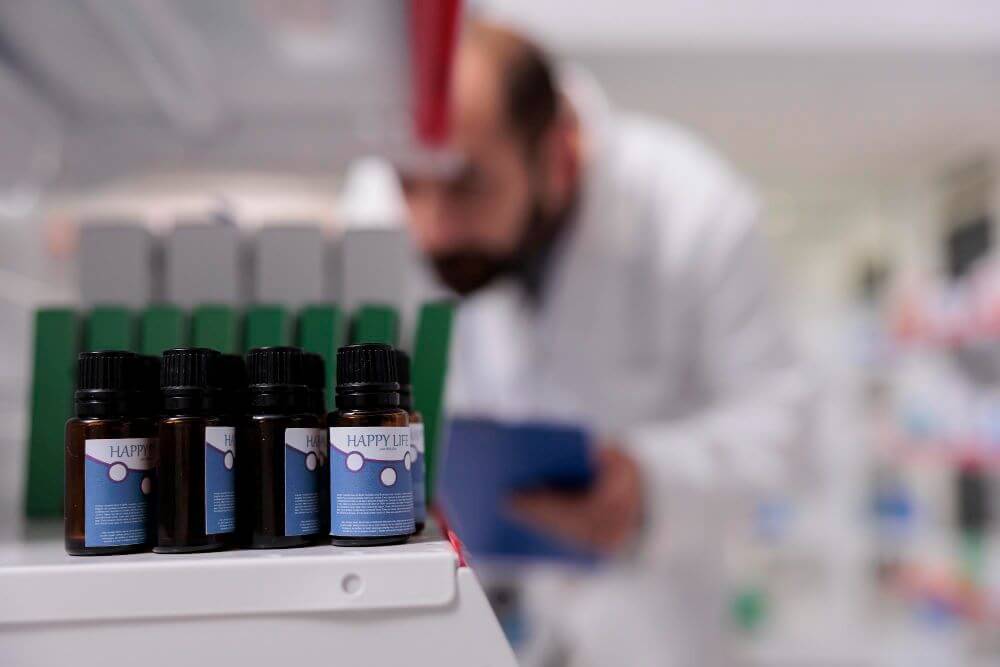
The benefits of amber glass bottles are particularly noteworthy for light-sensitive medicines. Amber glass provides excellent protection against harmful UV radiation, which can degrade active pharmaceutical ingredients and compromise a product’s stability. Unlike some plastics, glass is chemically inert, meaning there is no risk of leaching harmful substances into the medication. This inherent stability ensures the purity and integrity of the contents, from production to the end-user. As the industry moves away from single-use plastics, amber glass bottles provide a reliable and proven alternative that supports both patient safety and environmental health.
Manufacturing and Design Innovations
Innovation extends beyond materials to the processes of manufacturing and design. A key focus area is “lightweighting” glass packaging. Advances in manufacturing technology now allow for the production of thinner, yet equally strong, glass containers. This reduction in material not only conserves resources but also lowers the carbon footprint associated with transportation. A lighter product means less fuel is needed to move it, contributing to significant emissions reductions across the supply chain.
Furthermore, glass manufacturers are investing heavily in making their production processes more energy-efficient. This includes upgrading furnaces, utilising renewable energy sources, and optimising heat recovery systems. These efforts help to decrease the embodied carbon of glass packaging. On the design front, there is a growing emphasis on creating packaging that is easier to recycle. This involves standardising designs and avoiding materials or labels that could contaminate the recycling stream, ensuring that glass containers can be efficiently reprocessed and reused.
The Role of Amber Glass in Eco-Friendly Pharma Packaging
Amber glass bottles are a prime example of a solution that successfully marries product protection with environmental responsibility. Their ability to shield sensitive formulations from light is critical for extending the shelf-life of many medicines, which in turn reduces waste from spoiled products. The durability of glass means less product loss due to breakage compared to less robust materials.
From a circular economy perspective, amber glass bottles excel. They are designed for durability and are widely recycled through established collection systems in the UK and Europe. The high recycling rates for glass mean that used bottles are consistently turned back into new containers, closing the loop and reducing the demand for virgin raw materials. This makes amber glass packaging a powerful tool for pharmaceutical companies looking to minimise their environmental impact and contribute to a more sustainable materials cycle.
Future Trends and Opportunities
The journey towards fully sustainable pharmaceutical packaging is ongoing, with several exciting trends on the horizon. The principles of the circular economy will become even more embedded, with a greater focus on designing for disassembly and promoting reuse models where appropriate and safe. We are also likely to see the integration of smart technologies with sustainable packaging. Imagine smart labels on amber glass bottles that monitor temperature or provide patients with digital information, all while the container itself remains fully recyclable.
Continued innovation in glass manufacturing will yield even lighter and stronger containers, further reducing the industry’s carbon footprint. As material science advances, we can expect to see new coatings and treatments that enhance the protective qualities of glass packaging without compromising its recyclability. The future lies in a holistic approach where sustainability is considered at every stage of the packaging lifecycle, from initial concept to end-of-life.
Conclusion
The shift towards eco-friendly solutions is fundamentally reshaping the pharmaceutical packaging landscape. Driven by regulation, consumer demand, and a genuine desire for corporate responsibility, innovation is flourishing. While many materials have a role to play, sustainable glass packaging, particularly amber glass bottles, offers a compelling blend of safety, stability, and sustainability. It protects sensitive medicines, supports a circular economy, and helps reduce the industry’s environmental footprint. For pharmaceutical manufacturers, packaging engineers, and sustainability professionals, embracing these innovations is not just a matter of compliance—it is an opportunity to build a healthier future for both people and the planet.