
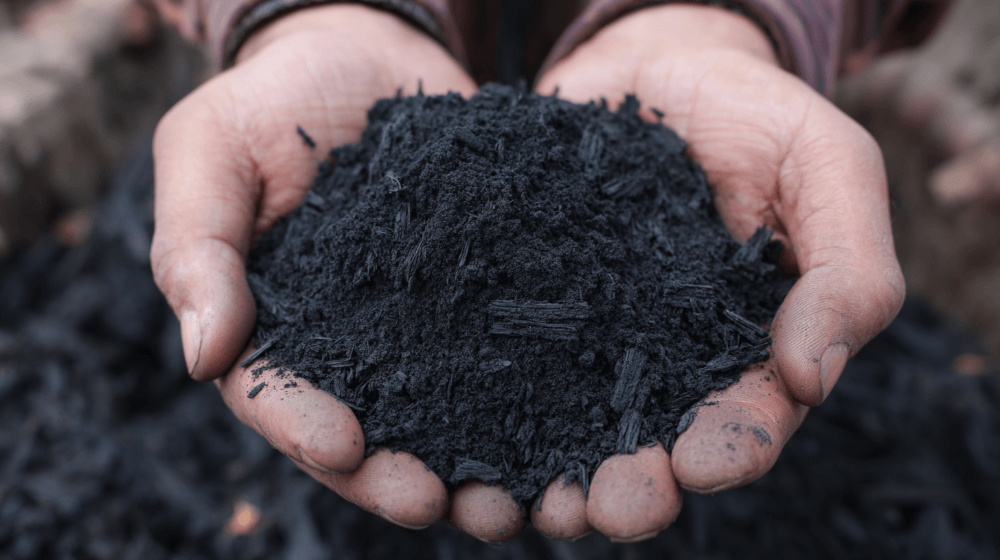


Biochar carbon removal has established itself as the leading durable carbon dioxide removal technology in voluntary markets. Understanding certification pathways and quality requirements proves essential for organizations pursuing carbon removal strategies. This comprehensive guide to biochar carbon credits examines frameworks governing credit issuance, quality standards ensuring permanence, and practical considerations for project developers and corporate buyers navigating this expanding market.
Understanding Biochar Carbon Credit Fundamentals
Biochar carbon credits represent verified atmospheric carbon removal through pyrolysis conversion of biomass into stable carbon forms. Each credit corresponds to one metric tonne of CO2 equivalent permanently removed from the atmosphere. The process heats organic material at 350-900°C under oxygen-limited conditions, creating carbon-rich solids that resist decomposition for centuries.
Credit generation requires quantifying net carbon removal across the project lifecycle. This calculation accounts for emissions from feedstock collection, transportation, production operations, and biochar application. Quality credits demonstrate additionality, meaning production would not occur without carbon finance incentives.
The market distinguishes between removal and avoidance credits. Biochar qualifies as removal because it actively extracts CO2 from atmosphere through plant photosynthesis, then locks carbon in stable forms.
Key Production and Quality Metrics
Essential factors determining biochar credit quality:
- Hydrogen-to-carbon ratio below 0.4 indicates stability exceeding 1,000 years
- Pyrolysis temperature above 600°C produces highly recalcitrant material
- Feedstock selection from sustainable waste biomass ensures additionality
- Application methodology affects permanence claims and co-benefit delivery
High-temperature production creates aromatic carbon structures resistant to microbial decomposition. Advanced facilities consistently achieve H:C ratios of 0.2-0.3, translating to residence times exceeding 2,000 years.
Primary Certification Standards and Methodologies
Four major frameworks dominate biochar carbon credit certification. Each standard establishes distinct requirements for feedstock eligibility, production processes, monitoring protocols, and permanence verification.
Verra VM0044 methodology provides the most widely recognized certification pathway. This framework requires purely biogenic waste biomass as feedstock and accepts various production technologies. Certification costs range from $15,000-50,000 depending on project complexity.
Analysis from National Institutes of Health research shows the standard pioneered biochar carbon removal crediting in 2019. This methodology emphasizes lifecycle emissions accounting and requires documented chain of custody. Independent third-party verification and annual monitoring requirements ensure quality.
Climate Action Reserve operates primarily in North America with protocols emphasizing local regulatory compliance. Gold Standard incorporates sustainable development co-benefits alongside carbon sequestration, requiring projects to demonstrate positive social impacts.
Emerging Regional Standards
Carbon Standards International developed World Biochar Certificate guidelines for global application. Isometric launched in 2024 with strict feedstock requirements but flexible reactor specifications.
The European Union is finalizing Biochar Carbon Removal methodology under its Carbon Removals and Carbon Farming Regulation. Expected adoption in 2026 will establish harmonized standards across EU member states.
Quality Assessment and Project Requirements
High-quality biochar projects meet multiple technical and operational criteria. Feedstock sourcing must demonstrate sustainability without competing with food production. Acceptable sources include agricultural residues, forestry waste, and municipal organic streams.
Production facility design impacts carbon removal efficiency. Industrial pyrolysis plants offer superior monitoring capabilities but require $500,000-2 million investment. Small-scale artisanal systems cost $5,000-50,000, particularly suitable for farmer cooperatives.
Minimum project scale typically requires processing 2,500 tonnes of biomass annually to justify certification costs. Smaller operations may benefit from grouped project structures.
Application methodology affects permanence claims. Soil incorporation provides strongest carbon removal case, as biochar becomes integrated into soil matrix while delivering agronomic benefits.
Laboratory Testing Requirements
Certification demands comprehensive biochar characterization:
- Carbon content and elemental composition
- Hydrogen-to-carbon and oxygen-to-carbon molar ratios
- Contaminant levels including heavy metals
- Physical properties affecting soil interaction
International Biochar Initiative establishes baseline quality thresholds. Molar H:C ratios must remain below 0.7 for material to qualify as biochar. Premium grades achieve ratios below 0.4.
Economic Considerations and Market Dynamics
Initial technical audits, laboratory testing, and verification expenses total $20,000-70,000. Annual recertification adds $5,000-15,000 in ongoing costs.
Credit pricing reflects quality differentiation. Verra VM0044 credits averaged $165 per tonne in 2025, while premium certifications commanded $185 per tonne. Price variations stem from permanence modeling and registry transparency.
Production economics depend on feedstock costs and energy capture. Projects utilizing waste biomass achieve better margins. Market demand continues exceeding supply, with over 3 million tonnes contracted since 2022 while deliveries reached only 683,000 tonnes through mid-2025.
Revenue Modeling and Financial Planning
Project developers should model revenue scenarios:
- Conservative forward agreements: $120-140 per tonne with guaranteed volume
- Spot market transactions: $160-200 per tonne with timing uncertainty
- Blended strategies: Combining contracted baseline with spot upside
Payback periods for industrial facilities range from 3-7 years. Artisanal systems achieve faster payback but generate fewer credits annually.
Implementation Roadmap for Project Developers
Successful development begins with feedstock assessment confirming sustainable sourcing. Technology selection balances capital requirements against production efficiency.
Methodology selection should align with feedstock characteristics and target market preferences. Projects using woody biomass achieve optimal results under Verra VM0044.
Pre-feasibility assessments evaluate project viability. These analyses examine feedstock supply chains, production economics, and certification pathways.
Strategies for Corporate Credit Procurement
Organizations should establish quality criteria aligned with climate commitments. Minimum standards include certification under recognized methodologies, H:C ratios below 0.4, and documented permanence exceeding 100 years.
Portfolio diversification manages risks across production regions and project scales. Geographic spread addresses supply chain vulnerabilities.
Analysis from UNFCCC Climate Champions research indicates offtake commitments reduce costs 25-35% versus spot purchases while guaranteeing access to limited supply.
Due diligence should verify project additionality and monitoring protocols. Site visits provide assessment of operational capabilities and quality management systems.