
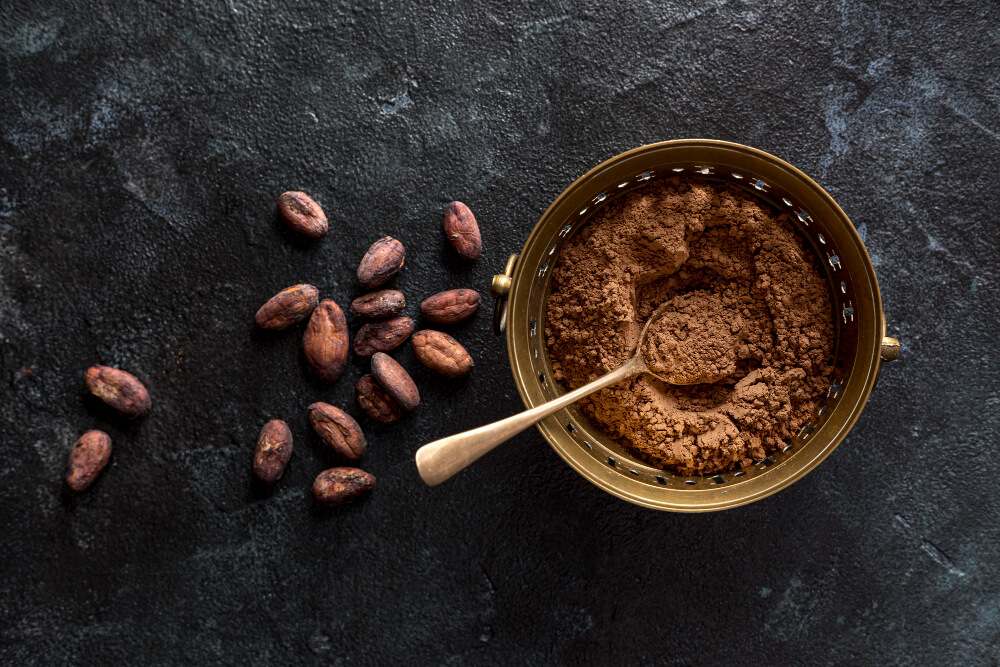


We have quite a sweet tooth. We love chocolate in its many forms, from silky truffles and gooey brownies to hot cocoa and decadent chocolate-dipped strawberries. Chocolate is made from cocoa beans, which are grown in tropical regions near the equator, mainly in West Africa, Latin America, and Southeast Asia.
The leading producers and exporters of cocoa worldwide are Côte d’Ivoire and Ghana. Cocoa is present in many of the products we use every day, such as cosmetics, soaps, and pharmaceutical products.
If you’re a company using cocoa today, you’re facing a severe, challenging situation. Prices have nearly quadrupled from a few thousand dollars per ton to record highs of over $10,000-$12,000, and for some businesses, this can be the difference between surviving and not. Erratic and extreme weather patterns have severely damaged harvests, causing lower yields, smaller beans, plant rot, and, of course, a substantial escalation in costs. The takeaway: the cocoa market is entering a period of unprecedented volatility, and resilience hinges on adaptation.
Major Hurdles In Today’s Cocoa Supply Chain
The cocoa supply chain is undergoing an unprecedented crisis marked by acute shortages and soaring prices resulting from:
- Climate Change & Drought: Sporadic rainfall, prolonged droughts, and weather catastrophes have wreaked havoc on cocoa plantations. Cocoa trees thrive in a specific range of temperature and moisture conditions, which explains why they’re vulnerable to the intensifying climate shifts witnessed today.
- Underinvestment In Agriculture: Decades of underinvestment at the farm level also contribute to the historic decline and high prices. Cocoa farmers live in poverty, so they don’t have the much-needed resources to address issues like ageing trees or low replanting rates. While it’s unlikely cocoa will disappear, production and farmer livelihoods are already being impacted.
- Investor Speculation: Speculative commodity trading is risky not only for those who do it, but also for supply chains. Investors reacting to supply-side shocks have pushed cocoa prices higher, creating a feedback loop where speculative trading amplified volatility. In effect, investor behavior has caused a full-blown market crisis.
- Structural Market Problems: The supply chain is fragile, overly concentrated in West Africa, and plagued with weak farmer incentives, climate vulnerability, and regulatory inefficiencies. The inequitable distribution of wealth, coupled with insufficient reinvestment and the problem of aging trees, aggravates the situation.
Corporate Survival Tactics In The Chocolate Industry
We often think of cocoa as a casual pleasure, but behind every bar lies a luxury born of extraordinary effort. Cocoa begins as pods harvested from the cacao tree, with beans extracted, fermented, and dried to develop flavor. The dried beans are then roasted, cracked, and ground into cocoa mass, which is separated into cocoa butter and cocoa solids.
These cocoa ingredients are blended, refined, and tempered to create the smooth chocolate products we enjoy. Manufacturers are pumping literal billions into R&D for cocoa alternatives. For example, Lindt & Sprüngli is investing in lab-grown cocoa through a Swiss startup called Food Brewer.
Though the cocoa crisis impacts the entire industry, smaller businesses have fewer resources at their disposal and less flexibility to adjust their products or sourcing strategies. All hope isn’t lost. Since you’re not able to compete with the bulk-buying power of large enterprises, your strategy should zero in on redefining value, improving operational efficiency, and cementing your supply chain ties. Here are some suggestions to keep in mind:
Reimagine Flavors Through Fillings And Add-Ins
Instead of making pure chocolate bars that require a high cocoa volume, incorporate alternative ingredients like nuts, dried fruits, or caramel to ease the strain. You can create volume and value in your products, whether it’s bonbons, truffles, or chocolate-covered snacks, while using less cocoa per finished item.
If chocolate isn’t an affordable product, consumers simply won’t buy it. Cocoa’s taste is difficult to replicate because it relies on a complex mix of plant chemistry, fermentation, and terroir, but you can rise to the challenge with alternatives like carob. Unfortunately, you lose the right to label your products as chocolate.
Prioritize Strategic Procurement
Long-term contracts, hedging, and partnerships with farmers help maximize the efficiency of every cocoa bean purchased. Look beyond West Africa to Latin America (Ecuador, Brazil) and Asia (Indonesia) to reduce single-region risk and tap into emerging markets with distinct flavor profiles and growing production capacity.
Think about investing in traceability, fair trade, and climate-smart programs to build resilience and improve brand reputation, an approach already championed by industry leaders such as ofi. While the upfront investment may be higher, the long-term efficiency lowers exposure to extreme price volatility.
Explore Ways To Process More Of Your Raw Material In-House
The raw materials – cocoa mass, cocoa butter, and sugar – can be processed in-house to guarantee consistency in flavor, texture, and purity. You can invest in your own cocoa press to break free from molds, create edible chocolate with intricate designs like logos, and offer customers a one-of-a-kind culinary experience.
In essence, you own the full chocolate-making process, from raw bean to finished ingredient. When possible, buy in larger volumes to secure bulk discounts, a practice that often turns out to be a game-changer. You should thoroughly scrutinize all your operational costs, from packaging to logistics, to eliminate waste and maximize efficiency.
Concluding Observations
Raising retail prices widens your margins and frees up money you might need for business growth, but you risk looking opportunistic unless you pair price increases with clear communication and visible add-ons. It can be the difference between lost and made sales. Consumers want to feel the why behind what they’re purchasing – why it’s worth it – and that translates into the fact that crafting a compelling narrative is indispensable in times of elevated costs and market disruption. Raising prices should be the last resort or at least a well-considered step after exploring other options.
The cocoa crisis has changed chocolate forever by making it more expensive, more diversified, and more innovation-driven. If you act strategically, you can turn risks into opportunies for improvement that can make your company more efficient and provide a completive edge.