
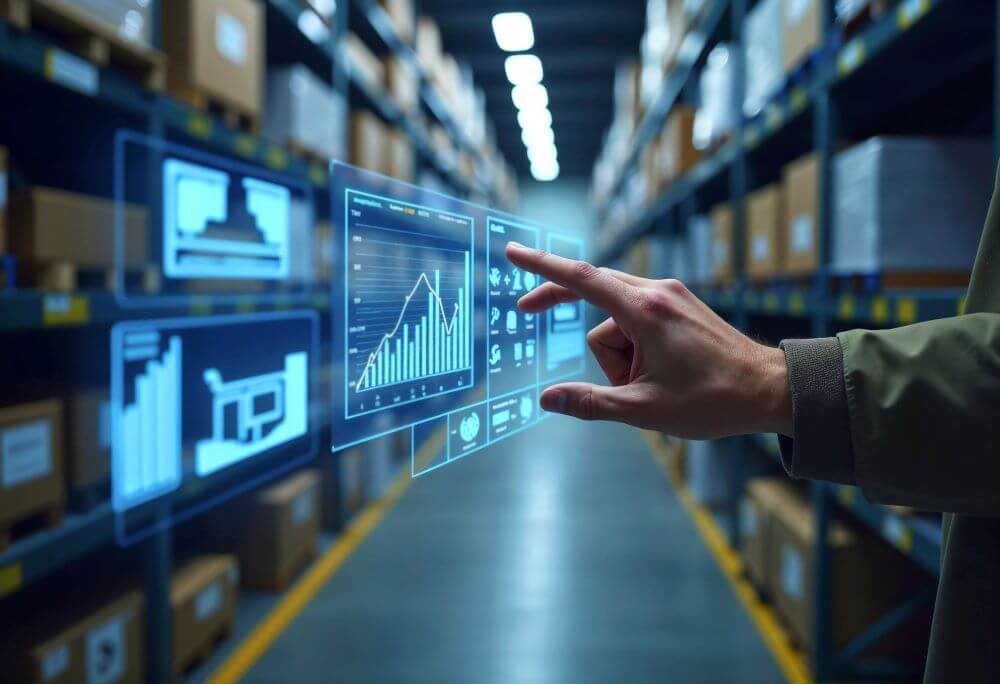


In global logistics, visibility is the backbone of efficiency, accuracy, and agility. A full-stack supply chain visibility platform transforms traditional operations by unifying data, systems, and stakeholders into one seamless ecosystem. Through real-time tracking, intelligent analytics, and automation, it enables organizations to monitor shipments, anticipate disruptions, and optimize performance from end to end. Unlike fragmented tools that offer limited insights, a full-stack approach ensures continuous connectivity across suppliers, carriers, and customers. The result is a transparent, data-driven supply chain capable of faster responses, smarter decisions, and higher resilience in today’s complex and rapidly evolving logistics landscape.
What Is a Full-Stack Supply Chain Visibility Platform?
A full-stack supply chain visibility platform bridges disparate data sources—from manufacturing plants to shipping carriers—to deliver unified, end-to-end visibility. In practice, such a platform combines:
- Data integration: aggregating supplier, transport, warehouse, and customer data into one ecosystem.
- Analytics: turning raw data into actionable insights, performance indicators, and trend forecasts.
- Automation and connectivity: enabling continuous data flow among all stakeholders (suppliers, carriers, logistics teams, customers).
By contrast, many legacy or “partial visibility” tools only provide bits of the chain (for example, transit tracking alone or warehouse snapshot data). They may lack full connectivity, real-time updates, or coherent analytics across functions. A full-stack supply chain visibility solutions provides:
- Data aggregation across internal systems (ERP, WMS, TMS) and external partners.
- End-to-end tracking, enabling stakeholders to see raw materials, in‐transit assets, inventory, and final delivery.
- Alerting and performance insights, such as detecting delays, deviations, or under-performing carriers.
In short, rather than monitoring one link in isolation, a full-stack platform creates a single “source of truth” across the network—delivering visibility, transparency and actionable intelligence.
The Importance of Real-Time Tracking in Modern Supply Chains
In today’s volatile supply-chain environment, real-time tracking becomes a strategic differentiator. With live data:
- Decision-makers become proactive rather than reactive—identifying potential delays, inventory shocks or route disruptions before they cascade
- Delivery accuracy improves—lead times shorten, and inventory can be optimized because you know exactly where goods are and when.
- All stakeholders—from manufacturers to carriers to customers—gain clarity: manufacturers understand upstream material flows, carriers track shipments in transit, logistics managers monitor fulfilment, and customers receive up-to-date updates on their orders.
Key Features of Real-Time Tracking in Full-Stack Platforms
To deliver live tracking and full-stack visibility, platforms often incorporate the following capabilities:
- IoT integration: Using sensors, GPS and RFID devices to monitor shipments, vehicles, containers and even environmental conditions (temperature, humidity) during transit.
- AI-powered analytics: Applying machine learning and predictive modelling to generate alerts when shipments may be delayed, inventory may go out of level, or carriers are underperforming.
- Cloud-based data access: Dashboards available on mobile devices and desktop that aggregate data from across systems and geography, enabling real-time decision making anywhere.
- Blockchain integration / traceability: Offering immutable records, transparency and audit-friendly trace-back capability—especially critical when customers, regulators or partners demand full chain traceability.
- Automation & smart routing: Exception management triggers (e.g., alerting logistics teams when a shipment veers off route), dynamic route optimisation, and automatic updates to stakeholders.
Together these features help drive a seamless live flow of information—and transform visibility from a static reporting exercise into a living, dynamic capability.
Benefits of Real-Time Tracking with a Full-Stack Platform
Adopting a full-stack visibility platform with real-time tracking yields considerable benefits:
- Improved operational efficiency & faster responses: With visibility into every part of the chain, organisations can respond immediately to emerging issues—whether rerouting a shipment or reallocating inventory.
- Enhanced inventory control, fewer stock-outs/overstocking: Knowing exactly where goods are and how long transit takes enables tighter inventory management, reducing both excess stock and missing product.
- Increased customer satisfaction: Accurate delivery updates, proactive notifications of delays and transparency build trust with customers—and support better retention and brand reputation.
- Stronger supply-chain resilience: When disruptions occur—natural disasters, carrier failure, geopolitical shocks—a full-stack visibility platform helps companies detect, adapt and recover faster.
- Reduced costs & waste through data-driven routing and resource optimisation: Less idle time for vehicles, fewer demurrage/detention fees, optimized routes, and better asset utilisation all contribute to cost savings.
By delivering actionable intelligence and end-to-end live tracking, supply-chain stakeholders unlock supply chain visibility benefits that go beyond simple “where is my shipment” questions—they get insight, control and strategic strength.
Overcoming Common Implementation Challenges
Even with the promise of a full-stack supply-chain visibility platform, companies often face hurdles:
- Data silos and inconsistent data quality: Many organisations still operate legacy systems and fragmented data sources—meaning integration is difficult, and the data may not be trustworthy.
- Integration complexity across multiple partners: To get true end-to-end visibility, a platform must connect suppliers, carriers, logistics providers, and internal systems. Coordinating across multiple organisations, each with different IT maturity, can be challenging.
- Ensuring cybersecurity and data-protection compliance: With real-time tracking and shared data, security and governance become critical. Companies must ensure data integrity, access control, and meet regional compliance requirements.
- Balancing cost, ROI and technological maturity: Investing in a full-stack platform requires upfront cost and change management. Firms must build a clear business case—demonstrating that investing in advanced visibility (beyond partial tools) will yield measurable ROI via reduced disruptions, improved service, and lower costs.
By recognising these obstacles early, companies can plan for phased roll-out, prioritise data-clean-up, partner closely with carriers and suppliers, and select supply chain visibility platforms that align with their maturity and budget.
Final Words
Real-time tracking powered by a full-stack supply chain visibility platform redefines how businesses manage logistics, performance, and customer satisfaction. By integrating data, analytics, and automation, companies gain a unified, live view of every supply chain movement — from procurement to final delivery. This comprehensive visibility drives faster decisions, minimizes risks, and enhances efficiency across all operational layers. As industries face rising complexities and global uncertainties, adopting such a platform isn’t just a technological upgrade; it’s a strategic necessity. Organizations that invest in full-stack visibility achieve stronger control, reduced costs, and long-term resilience — transforming supply chains from reactive systems into intelligent, proactive networks built for sustainable growth and competitive advantage.